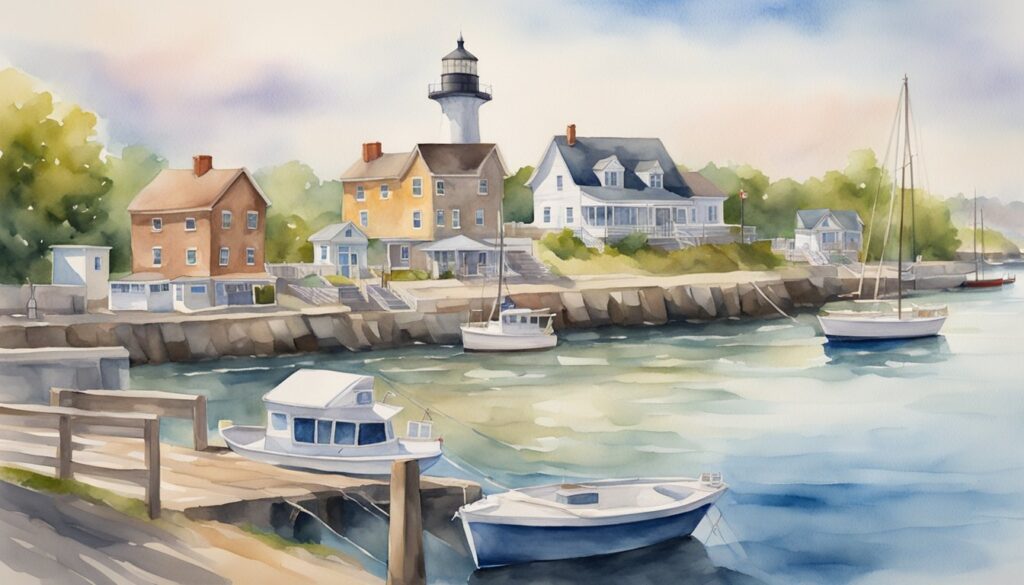
The Coastal Gem on Lake Erie’s North Shore
Port Dover, a charming town on Lake Erie’s north shore, has a rich history dating back centuries. This small Ontario community began as a Neutral Indigenous village before European settlers arrived.
Prime History Point:
- Port Dover became part of the new Province of Ontario on July 1, 1867, when Canada formed through confederation.
The town grew steadily over the years, driven by various industries. Shipbuilding, fishing, and farming played key roles in Port Dover’s development. In the 1880s, railways expanded to the area, further boosting economic growth. By 1879, Port Dover had reached a population of 1,100 and became an incorporated village.
Today, Port Dover continues to thrive as a popular tourist destination and fishing hub. The town hosts the famous Friday the 13th motorcycle rallies, drawing thousands of visitors. With its scenic beaches, historic lighthouse, and quaint downtown, Port Dover offers a glimpse into Ontario’s past while embracing its future.
Geographical Setting

Port Dover’s location shapes its character and attractions. The town’s position on Lake Erie and the Lynn River creates a unique coastal environment with varied natural features.
Port Dover’s Relation to Lake Erie
Port Dover sits on the north shore of Lake Erie, one of North America’s Great Lakes. The lake influences the town’s climate, creating milder winters and cooler summers compared to inland areas.
Lake Erie provides Port Dover with a sandy beach, popular for swimming and sunbathing. The shoreline stretches for several kilometers, offering scenic views and recreational opportunities.
The lake also supports Port Dover’s fishing industry. Commercial fishing boats operate from the harbour, catching perch, pickerel, and other species.
The Lynn River
The Lynn River flows into Lake Erie at Port Dover, creating a natural harbour. This river played a crucial role in the town’s development as a port.
The river mouth forms a protected area for boats, making it ideal for both commercial and recreational vessels. Marinas and docks line the river banks near the downtown area.
The Lynn River valley offers green spaces and walking trails. It provides habitat for various bird species and other wildlife.
Natural Features of the Surrounding Areas
Port Dover is surrounded by a mix of farmland and natural areas. The landscape includes gently rolling hills and pockets of forest.
Black Creek, a tributary of the Lynn River, flows through the area. It adds to the region’s biodiversity and creates additional recreational spots.
The nearby Long Point Peninsula, a UNESCO World Biosphere Reserve, influences local ecosystems. This sand spit extends into Lake Erie and attracts migrating birds.
Marshes and wetlands dot the coastline near Port Dover. These areas serve as important habitats for fish, birds, and amphibians.
Early History and First Nations

Port Dover’s early history is deeply intertwined with Indigenous peoples who inhabited the area for thousands of years. European contact brought significant changes to the region’s demographics and culture.
Indigenous Presence and Their Lands
The Algonquin nation were among the earliest known occupants of the Port Dover area. They were skilled flint workers, crafting arrowheads that can still be found in local fields today.
The Attawandaron, also known as the Neutrals, lived in the region as well. They maintained a neutral stance in conflicts between the Huron and Iroquois nations.
The Mississaugas, an Anishinaabe group, later moved into the area. They played a significant role in the region’s history during the 18th century.
Contact with European Explorers
European explorers first made contact with the Indigenous peoples of the Port Dover area in the early 17th century. This interaction led to significant changes in the local population and culture.
By 1794, Peter Walker became the first European settler in the area, establishing himself at the mouth of Patterson’s Creek. However, a European community did not begin to develop immediately.
The arrival of European settlers brought new technologies, trade goods, and diseases. This contact dramatically altered the way of life for Indigenous peoples in the region.
Colonization and Settlement
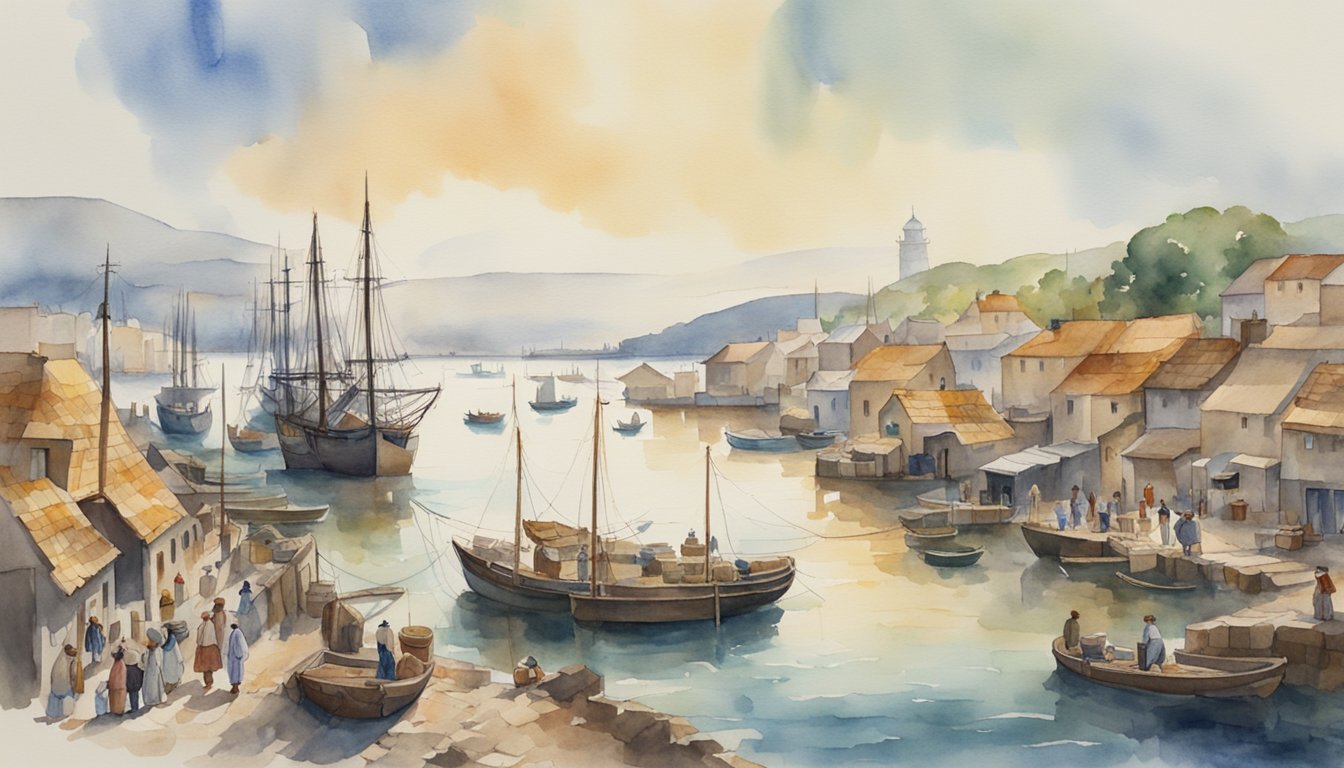
Port Dover’s early history was shaped by the arrival of settlers and their efforts to build a community. The area’s development was influenced by key groups and events that set the foundation for its growth.
The Impact of United Empire Loyalists
United Empire Loyalists played a crucial role in Port Dover’s settlement. These newcomers arrived in the late 18th century, fleeing the American Revolution. They brought skills, resources, and a desire to establish a new home.
The loyalists’ influence extended beyond population growth. They introduced British customs and institutions, shaping the area’s cultural landscape. Their presence also spurred infrastructure development, as roads and basic services were needed to support the growing community.
Early Development and Settlement Patterns
The first settler in the Port Dover area was Peter Walker, who arrived in 1794. This marked the beginning of organized settlement in the region. Early residents faced challenges like clearing land and building shelters.
The War of 1812 had a significant impact on the area. In 1814, American troops destroyed the nearby settlement of Dover. This event led to a shift in development patterns.
Reconstruction efforts after the war focused on areas closer to Patterson’s Creek’s mouth. This location offered better access to the existing harbor, which had been in use since the early 1800s.
By 1835, Israel Wood Powell initiated the formal organization of the village. This step marked a turning point in Port Dover’s development, setting the stage for future growth and economic expansion.
Military Significance
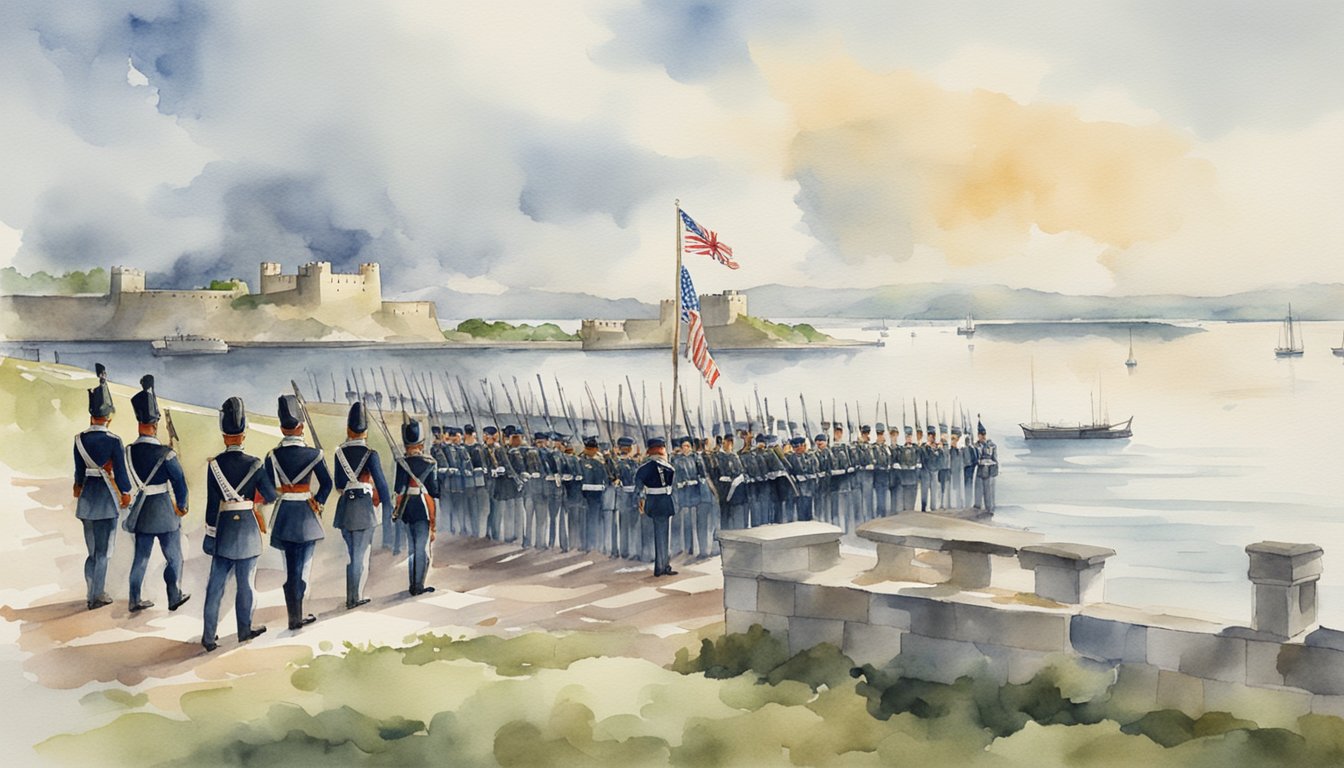
Port Dover played a notable role in military conflicts during the early 19th century. The town’s strategic location on Lake Erie made it a target for enemy forces and a key defensive position.
Port Dover and the War of 1812
During the War of 1812, Port Dover became a focal point of military activity. In May 1814, American troops launched a raid on the town. They crossed Lake Erie to capture food supplies and destroy mills that produced flour for British forces.
The raid, led by Lieutenant Colonel John B. Campbell, was not officially sanctioned by his superiors. It resulted in significant damage to the town and surrounding area. American forces burned mills, houses, and other buildings.
This attack highlighted Port Dover’s strategic importance in the conflict. It also showed the vulnerability of coastal settlements along Lake Erie during wartime.
Defensive Structures and Historical Conflicts
Port Dover developed defensive structures to protect against future attacks. These included fortifications and lookout points along the shoreline. Local militia units were formed to help defend the town.
The town’s military significance extended beyond the War of 1812. In World War I, many of Port Dover’s young men joined the Royal Canadian Armed Forces. Their bravery and sacrifice were commemorated with a cenotaph.
The Women’s Institute erected this memorial in 1921. It features a brass plaque listing those who died in the First World War. This monument stands as a reminder of Port Dover’s contributions to national defense efforts.
Industrial and Economic Development
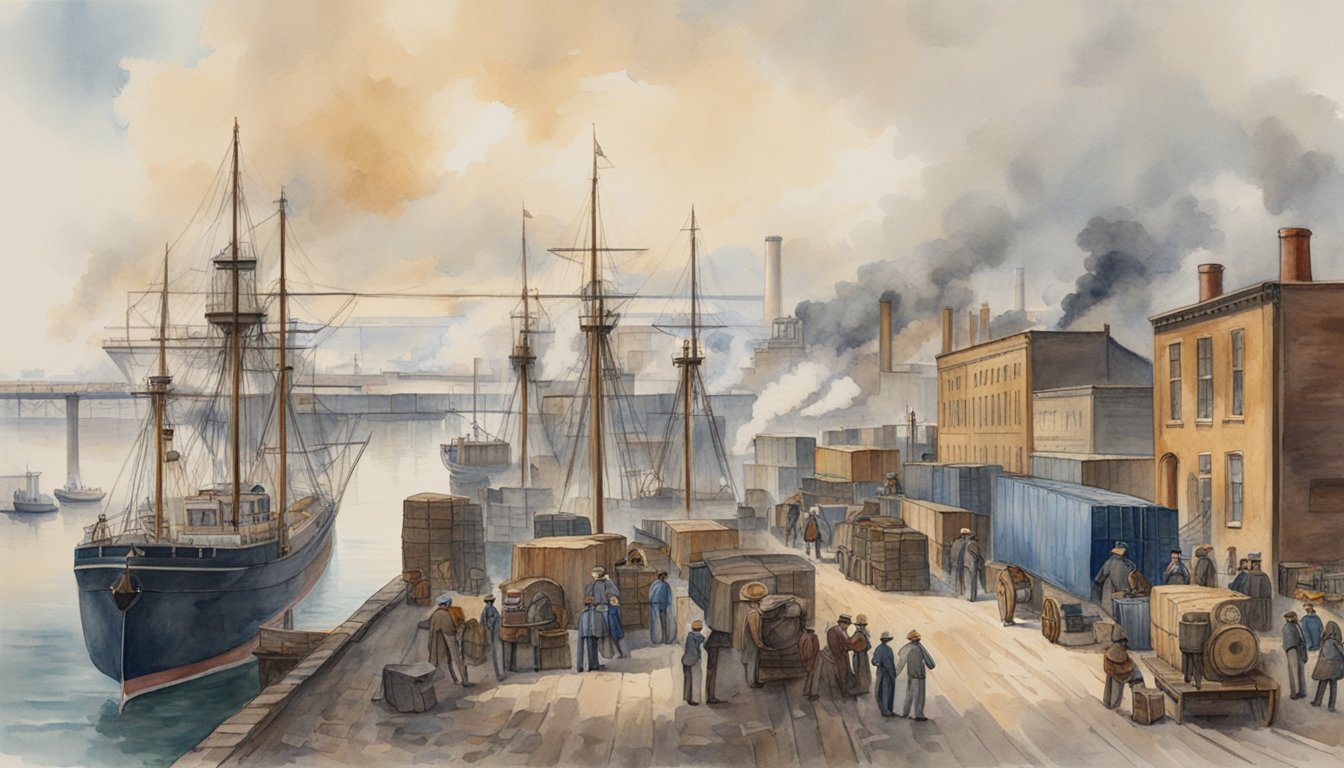
Port Dover’s economic landscape transformed significantly over time. Local industries emerged, wars impacted growth, and the post-war era brought new changes.
The Emergence of Local Industry
Port Dover’s industrial growth began in the mid-1800s. Shipyards and tanneries played a key role in the town’s early economic development. These industries provided jobs and boosted the local economy.
A woolen mill, started by Andrew Thompson, also contributed to growth. The mill produced textiles and employed many locals.
The harbor’s improvement made Port Dover an important Lake Erie port. This attracted more businesses and workers to the area.
By 1879, the town’s population reached 1,100. That year, Port Dover became an incorporated village.
The Role of World Wars in Local Economy
World War I and World War II had major effects on Port Dover’s economy. The wars created demand for goods and materials.
Local industries increased production to support the war effort. This led to more jobs and economic activity in the town.
The fishing industry grew during this time. Port Dover’s location on Lake Erie made it ideal for supplying fish to troops and civilians.
After each war, returning soldiers brought new skills to the workforce. This helped diversify the local economy.
Post-war Industrial Changes
The post-war period brought both opportunities and challenges to Port Dover. New industries emerged, changing the economic landscape.
Tourism became more important. People were drawn to Port Dover’s beaches and small-town charm.
The fishing industry remained strong but faced new regulations. This led to changes in how local fisheries operated.
Some traditional industries declined. This caused periods of higher unemployment in the town.
New businesses opened to serve the growing population. These included shops, restaurants, and service-oriented companies.
The town worked to attract diverse industries. This helped create a more stable economic base for Port Dover.
Port Dover as an Incorporated Village
Port Dover became an incorporated village in 1879, marking a significant milestone in its development. This change brought new governance structures and opportunities for local leadership.
The Process of Incorporation
Port Dover’s incorporation as a village took place in 1879. The community had grown to a population of 1,100 by this time. Incorporation required careful planning and legal procedures.
The village plan outlined the boundaries and key areas of Port Dover. It included provisions for public spaces, roads, and essential services. Local leaders worked to ensure the plan met the needs of residents and businesses.
Incorporation brought new responsibilities. The village gained more control over local affairs. This included managing taxes, infrastructure, and public services.
Key Figures in Village Governance
Israel Wood Powell played a crucial role in Port Dover’s early governance. As a prominent citizen, he helped shape the village’s direction.
The first village council was elected after incorporation. These leaders made important decisions about Port Dover’s future. They focused on issues like economic growth and community development.
Council members worked to improve the harbour and support local industries. They oversaw the growth of shipyards, tanneries, and mills. These efforts helped Port Dover become an important Lake Erie port.
Village officials also managed relationships with other levels of government. They advocated for Port Dover’s interests at the county and provincial levels.
Transportation and Connectivity
Port Dover’s growth and development were closely tied to its transportation links. The town’s strategic location on Lake Erie shaped its early infrastructure and economic prospects.
Harbour Development
Port Dover’s harbour played a crucial role in the town’s history. In the early 1800s, the natural port at the mouth of the Lynn River attracted settlers and traders.
The harbour underwent significant improvements in the mid-19th century. These upgrades made Port Dover a key Lake Erie port by the 1870s.
Shipbuilding became an important industry. The last schooner built in Port Dover was completed in 1904.
Railway Expansion and Decline
Railways arrived in Port Dover in the late 1800s, ushering in a new era of connectivity. The first train entered the village in 1875 via the Port Dover & Lake Huron line.
In 1878, the Hamilton & Lake Erie Railway was completed. This link connected Port Dover to Hamilton, offering an alternative to water transport.
The railway boom brought economic growth to the town. It facilitated easier movement of goods and people, boosting local industries.
Passenger railroad service played a significant role in Port Dover’s development. It brought tourists and connected residents to other parts of Ontario.
However, as road networks improved in the 20th century, rail transport declined. This shift impacted Port Dover’s economy and connectivity.
Cultural Events and Tourism
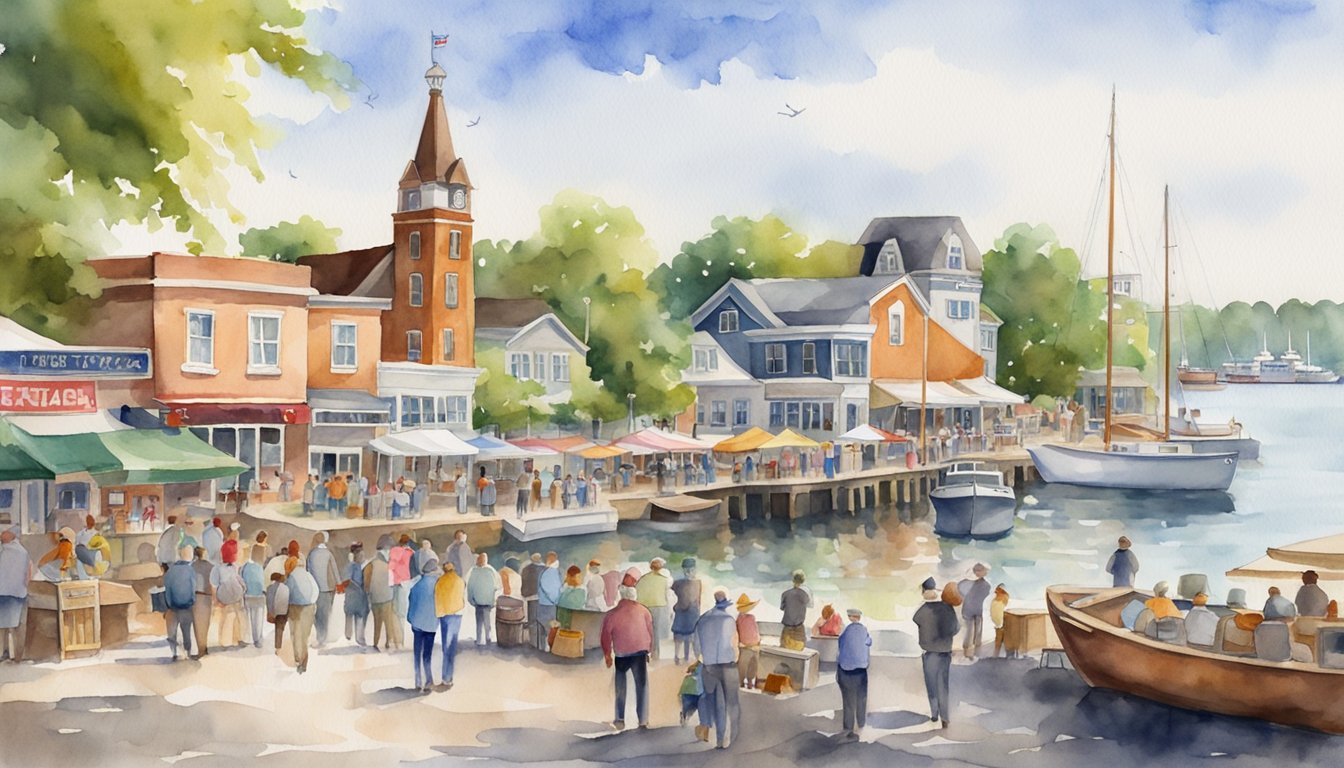
Port Dover draws visitors with its unique events and charming attractions. The town’s mix of traditions and lakeside appeal creates a vibrant tourist destination.
Annual Events and Traditions
The Friday the 13th Motorcycle Rally stands out as Port Dover’s most famous event. Thousands of bikers flock to town whenever the 13th falls on a Friday. This tradition began in 1981 and has grown enormously since.
Port Dover’s Perch Derby attracts fishing enthusiasts each year. Anglers compete to catch the biggest yellow perch from Lake Erie. The event celebrates the town’s fishing heritage.
The Summer Festival livens up Port Dover each July. It features a parade, live music, and family activities. Local artisans and food vendors showcase their wares during the festival.
Port Dover as a Tourist Destination
Port Dover’s sandy beaches and pier draw summer crowds. Visitors enjoy swimming, sunbathing, and walks along the shoreline. The town’s lighthouse is a popular photo spot.
The Port Dover Harbour Museum teaches about local maritime history. It highlights the fishing industry and Lake Erie shipwrecks. The museum is partly housed in an old fisherman’s net shanty.
Unique shops and boutiques line the main street. Visitors can browse for souvenirs, local art, and specialty goods. The town also offers a range of dining options, from casual fish and chips to upscale restaurants.
Port Dover’s bed and breakfasts provide cozy lodging for tourists. These charming inns offer a personal touch for those exploring the area.
Education and Community Life

Port Dover has a rich history of education and community engagement. Schools and social organizations have played key roles in shaping the town’s identity and fostering a sense of togetherness among residents.
Schools and Educational Institutions
Port Dover Public School opened its doors in 1914, marking a significant milestone in the town’s educational journey. This school has served generations of local students, providing a strong foundation for their academic growth.
Lakewood Public School is another important educational institution in the area. It offers a range of programs to meet diverse student needs.
Both schools focus on creating a supportive learning environment. They organize various extracurricular activities to enhance students’ overall development.
Community Organizations and Social Life
Port Dover boasts a vibrant social scene with numerous community organizations. These groups cater to different interests and age groups, fostering connections among residents.
Local clubs organize regular events and activities. These include book clubs, sports teams, and hobby groups.
The town hosts annual festivals that bring the community together. These events celebrate local culture and traditions.
Community centres provide spaces for social gatherings and recreational activities. They offer programs for all ages, from children to seniors.
Volunteer opportunities abound in Port Dover. Many residents actively participate in community service, strengthening social bonds.
Modern Industry and Infrastructure

Port Dover has seen significant industrial development and infrastructure upgrades in recent decades. New facilities and initiatives have reshaped the local economy and landscape.
Contemporary Industrial Facilities
The town boasts a major steel manufacturing plant on the outskirts. This facility employs hundreds of local workers and produces high-quality steel products. The plant uses advanced technology to increase efficiency and output.
A food processing facility opened in 2010, creating new jobs. It specializes in processing locally-caught fish from Lake Erie. The facility has state-of-the-art equipment for cleaning, packaging, and freezing fish products.
The harbour has been improved to support increased shipping traffic. New docks and loading equipment allow for faster turnaround times for cargo vessels. This has boosted Port Dover’s role as a key shipping hub on Lake Erie.
Renewable Energy and Environmental Initiatives
Large wind turbines dot the landscape around Port Dover. These structures generate clean electricity for the local grid. The wind farm was completed in 2014 and produces enough power for thousands of homes.
A water treatment plant upgrade finished in 2018. It uses new filtration methods to improve drinking water quality. The plant can now process 20% more water per day than before.
The town installed energy-efficient LED streetlights in 2020. This cut electricity use for street lighting by 60%. New bike lanes were added on main roads to encourage cycling.
Historical Legacy and Preservation
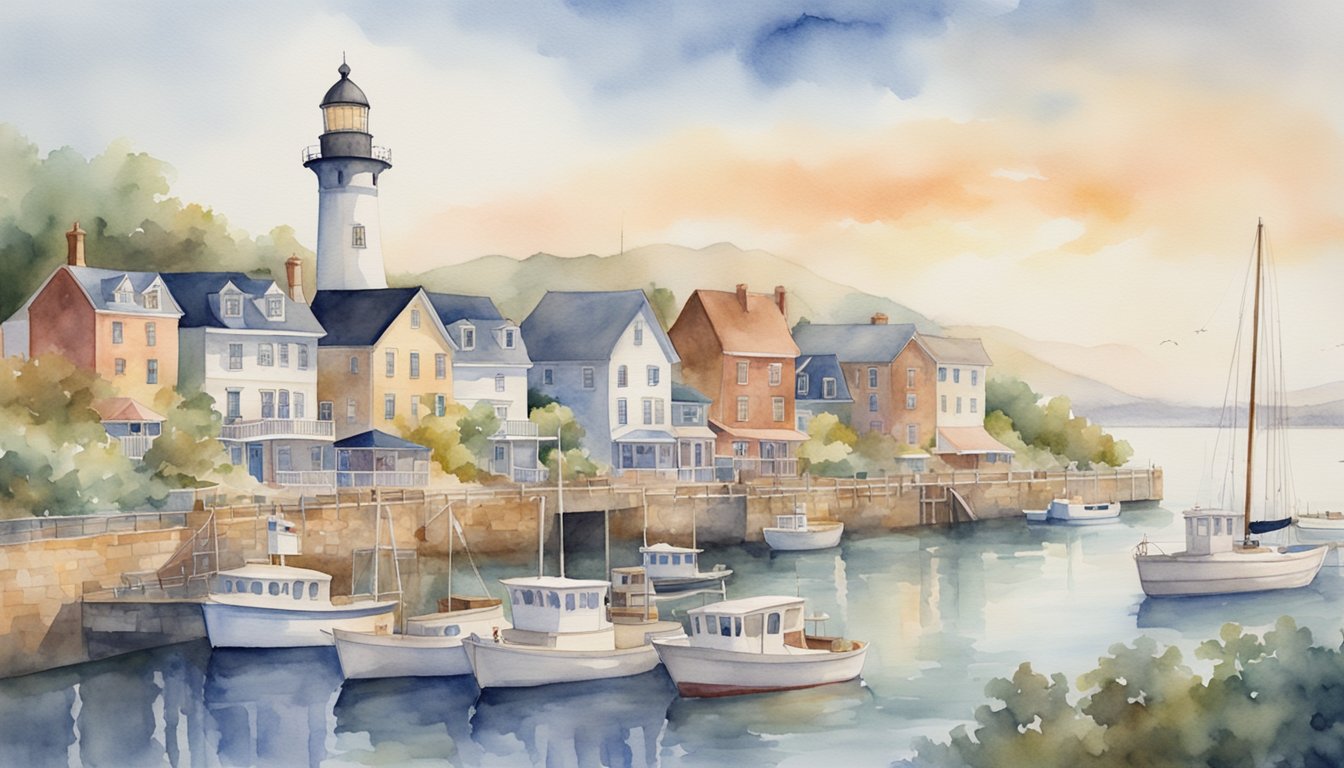
Port Dover’s rich history is reflected in its well-preserved sites and educational museums. These assets help keep the town’s heritage alive for future generations.
Conservation of Historical Sites
Port Dover takes pride in protecting its historical landmarks. The town has worked to maintain buildings from its early days as a settlement. Old maps of Port Dover show how the town layout has changed over time.
One key site is the former Dover Mills area. This spot once housed important industries that shaped the town’s growth. Efforts focus on preserving remaining structures from this industrial past.
The Thompson woollen mill played a big role in local economic development. While the mill no longer operates, its legacy lives on through careful upkeep of the building.
Local Museums and Heritage
Port Dover’s museums bring history to life for visitors and residents alike. The Harbour Museum stands out as a key attraction. It showcases exhibits on the town’s maritime past and fishing industry.
The museum houses artifacts, photos, and stories from Port Dover’s early days. Visitors can learn about shipbuilding, commercial fishing, and daily life in the past.
School trips and community events often center around these heritage sites. This helps educate young people about their town’s history. Local historians work to gather and preserve stories from older residents.
Special exhibits highlight different aspects of Port Dover’s past throughout the year. These rotating displays keep the museum experience fresh for repeat visitors.
Frequently Asked Questions
Port Dover’s history is rich with significant events, traditions, and changes over time. The community has played an important role in Norfolk County and offers several historical sites of interest.
What significant events have shaped the history of Port Dover?
Port Dover’s history has been shaped by its fishing industry and wartime contributions. The town once had the world’s largest freshwater fishing fleet. In 1914, many young men from Port Dover joined the Royal Canadian Armed Forces to fight in World War I.
The opening of Port Dover Public School in 1914 was a key development for education in the area. Another notable event was the sale of the Eliza Allan in 1904, marking the end of schooner manufacturing in Port Dover.
What is the origin of the Friday the 13th tradition in Port Dover?
The Friday the 13th tradition in Port Dover is a unique event that attracts motorcycle enthusiasts. It began in 1981 when a group of friends decided to meet at a local bar on Friday the 13th.
The gathering grew larger each year, becoming a major attraction. Today, thousands of bikers visit Port Dover on every Friday the 13th, regardless of the month or season.
How has the population of Port Dover changed over the years?
Port Dover’s population has seen shifts over time. According to census data, there was a notable decrease in the younger demographic between 2001 and 2011.
The 2011 Census reported 1,800 fewer children and teenagers in the Port Dover area compared to the 2001 Census. This change in demographics led to the closure of Port Dover Composite School in 2013.
What factors have contributed to the closing of Port Dover beach?
Port Dover beach closures have occurred due to various factors. Water quality issues, particularly after heavy rainfall, can lead to temporary closures.
High water levels in Lake Erie and erosion have also impacted the beach at times. Local authorities monitor these conditions closely to ensure public safety.
Can you describe the historical role of Port Dover within the region of Norfolk County?
Port Dover has been a key part of Norfolk County’s economic and cultural landscape. Its fishing industry was crucial to the region’s economy for many years.
The town’s port facilitated trade and transportation. Port Dover’s beach and events like the Friday the 13th gatherings have made it an important tourist destination within Norfolk County.
What are some key historical sites to visit in Port Dover?
The Port Dover Harbour Museum is a must-visit site. It showcases the town’s commercial fishing heritage and promotes local history.
Visitors can explore the historic lighthouse, built in 1845. The Powell Park War Memorial honors local veterans. The old town area features well-preserved 19th-century buildings, offering a glimpse into Port Dover’s past.